Applied Instructional Design with Articulate Tools
Rise 360 Courses
From visual storytelling to school safety and AI-powered design, these Rise 360 courses illustrate how I craft interactive learning that is clear, engaging, and built for impact.

AI-Powered LXD for Subject Matter Experts
Introduces subject matter experts to generative AI tools and workflows along with instructional design foundations.

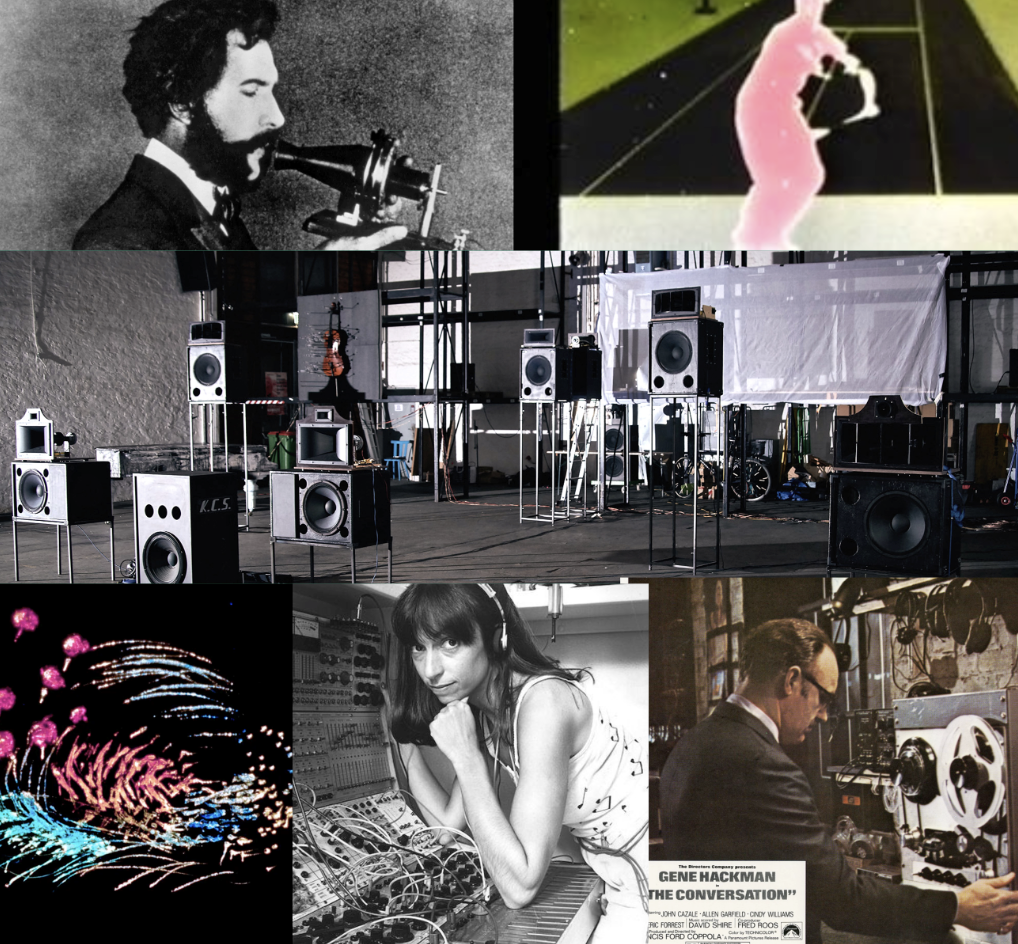
Introduction to Visual Narrative
Explores the art and history of photography—from its role in newspapers and magazines to the rise of digital media—while teaching learners how to analyze images and apply visual storytelling techniques.

Leadership for Safe Schools
Covers essential protocols for safe learning environments, with demonstration modules on emergency communications and the standard response protocol.
Instructional Video Production
"Introduction to Meditation" (2023)
Promotional video for Introduction to Meditation, a soft skills course I developed for SHSU Online’s professional development catalog. The project showcased my multimedia expertise through After Effects animation for captions and overlays, strategic use of Shutterstock imagery, and AI-enhanced content development. I also produced and recorded the original music and sound design using analog synthesizers, creating an engaging introduction to mindfulness practices for online learners.
Professional Podcast Production
Emerging Technology for Critical Infrastructure
This multi-layered audio production combined expert interviews with original sound design and strategic audio editing. I used Adobe Audition for precision editing, Descript for AI-powered transcription and text-based audio manipulation, and custom sound design techniques to create immersive listening experiences.
Infographic Design & Visual Communication
Open Educational Resources for Texas Educators
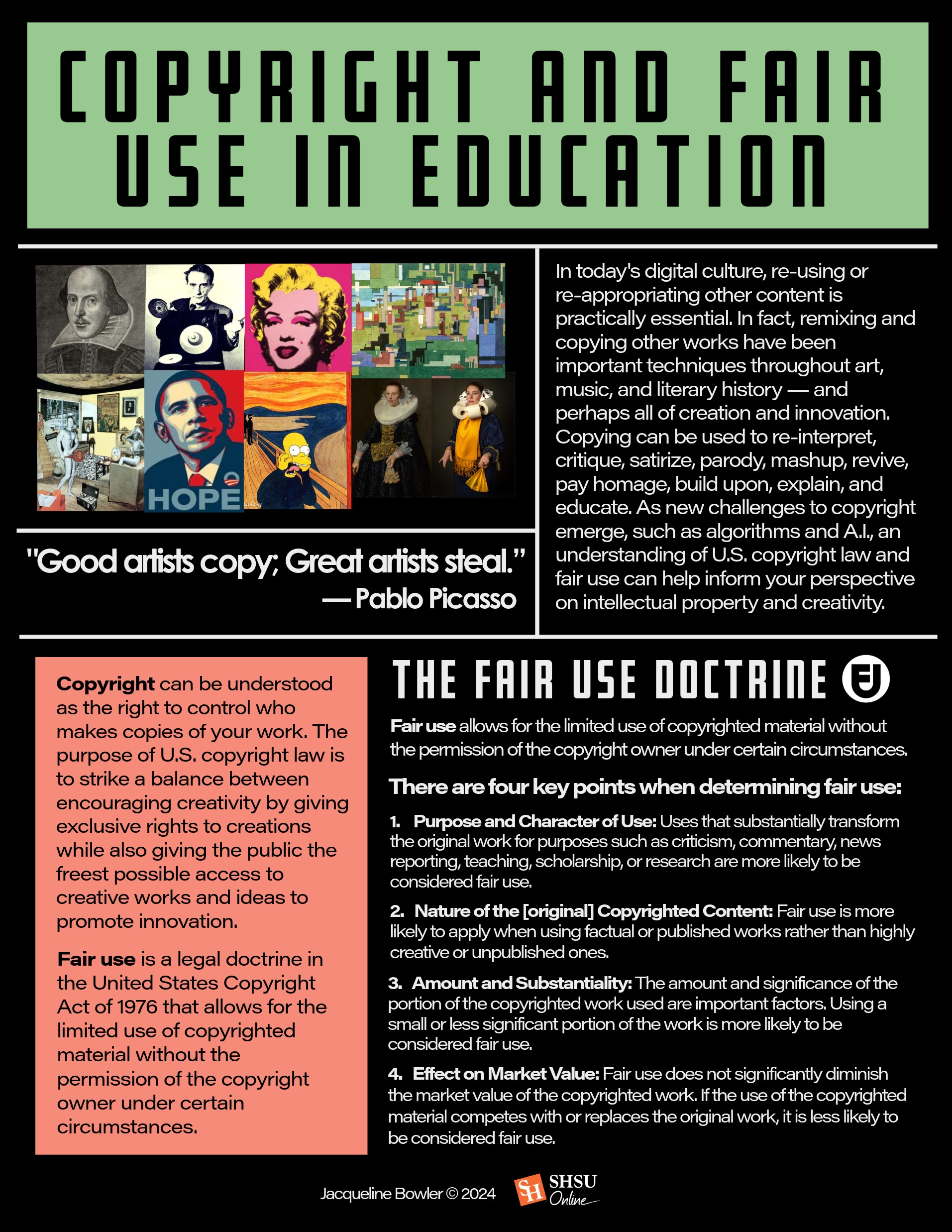
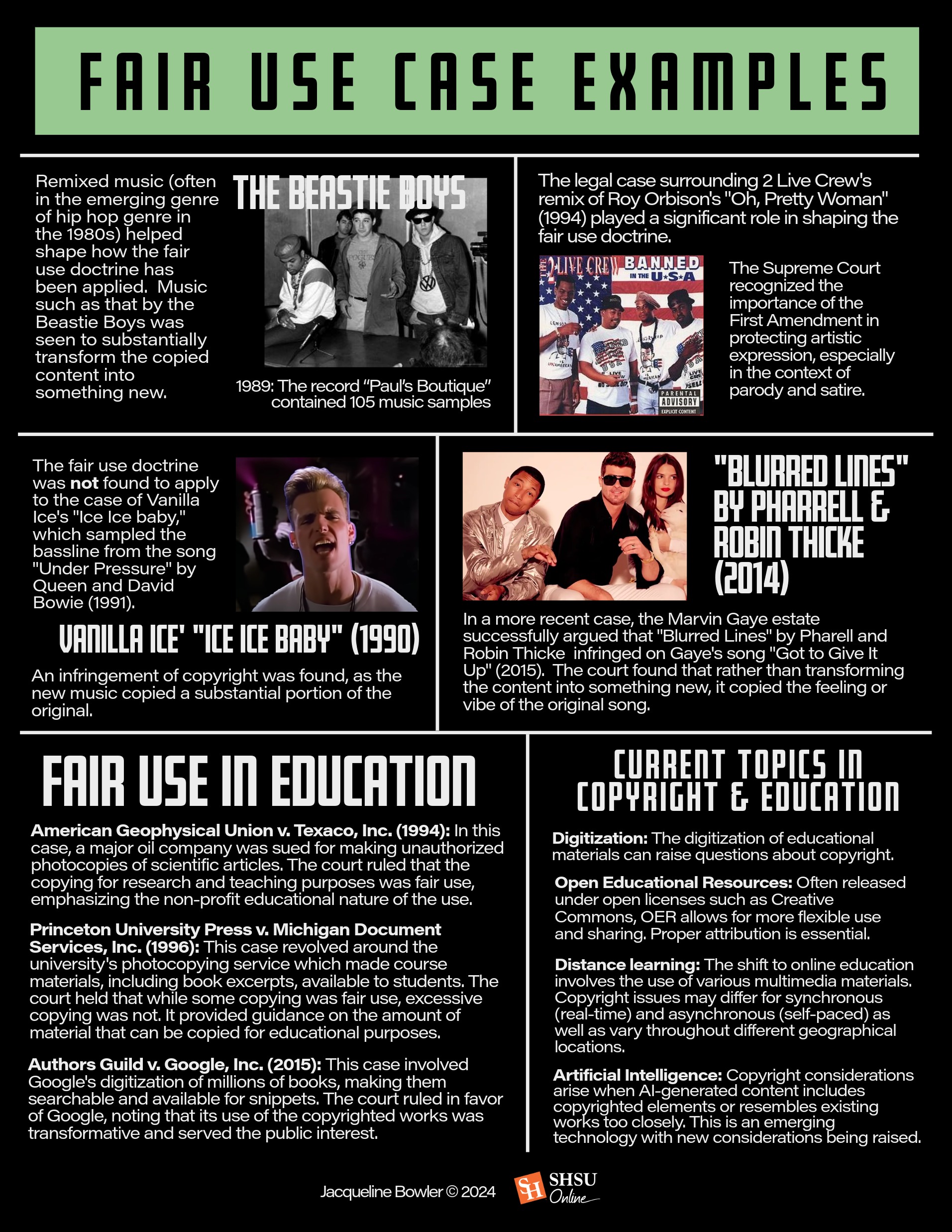
Adobe Creative Cloud-designed infographics developed for an OERTX grant project, translating specialized media studies knowledge into visually compelling open educational resources for Texas educators. The series demonstrates strategic visual design thinking, combining subject matter expertise with clear information hierarchy and engaging graphic design principles.
Audiovisual (AV) Streaming for Art Therapy
Live Piano Sessions for Alzheimer’s & Dementia Care
Technical audio streaming solution developed for the CARE program at Lenox Hill Neighborhood House, providing high-fidelity digital piano performance for older adults living with Alzheimer’s Disease and other forms of dementia.
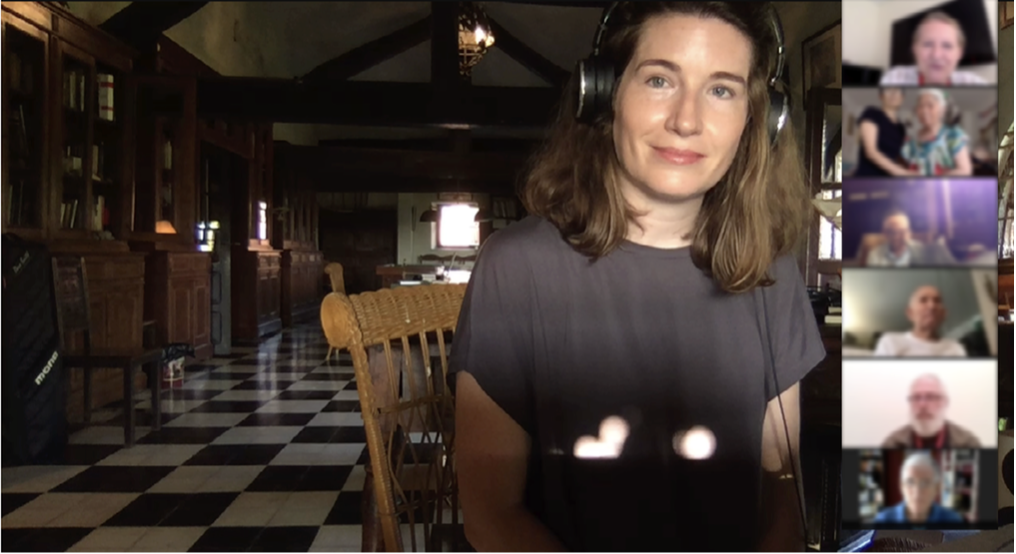
The CARE program is an arts-based day program offering care and socialization for older adults living with Alzheimer’s and other forms of dementia while also supporting caregivers and families. I began performing for the group in 2018, traveling twice a month to the Upper East Side to play a range of show tunes, film scores, classical, and popular music on the piano for an audience of 9–12 people—until the program halted in March 2020.
When programming transitioned to virtual delivery in July 2020, I engineered a professional-grade audio setup using a digital audio interface to ensure broadcast-quality sound transmission, maintaining the therapeutic impact of live musical interaction despite remote delivery constraints. I began performing weekly, even after relocating temporarily to Madrid, Spain; CARE became my primary performance space in a world bereft of live music.
Guided by director Elizabeth Hartowicz, CARE follows Carl Rogers’ person-centered approach, which emphasizes genuineness, acceptance, and empathetic understanding as the core conditions of therapeutic presence. Many clients have limited verbal abilities and less freedom in daily choices; musical engagement becomes a way of acknowledging their experience amidst communication barriers, affirming their joy and spontaneity, and empathizing with their unique perceptions of time, space, and memory. Knowing each participant as an individual—with their needs, interests, and strengths—remains central to connecting with them, helping them feel better, and finding meaning regardless of dementia-related limitations.